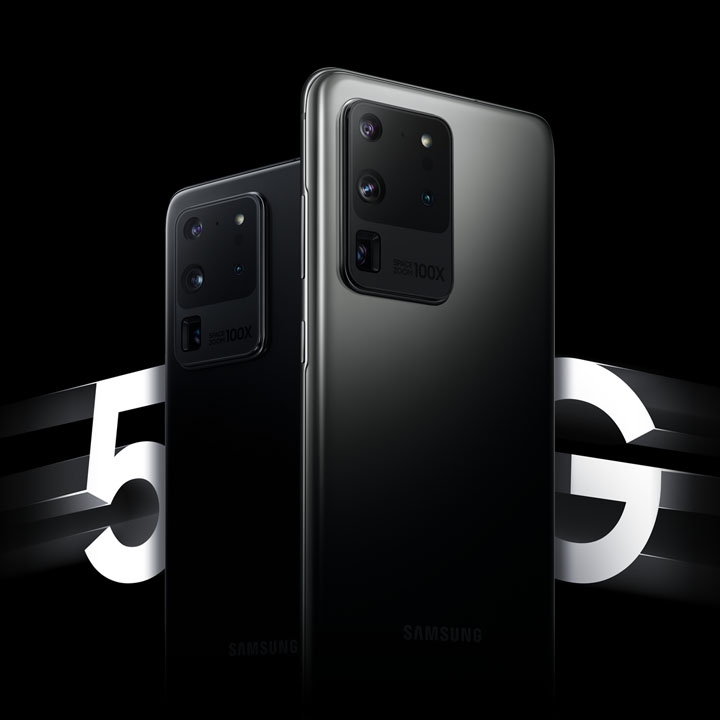
5G simply means “fifth generation,” as in the fifth generation of cellular technology. 3G was the third generation, 4G was the fourth, and 5G is the fifth. Only 5G-capable phones will be able to support this new technology.
Service providers' infrastructures and networks will require significant upgrades to support this fifth generation of cellular technology. With so much technological investment, the coming age of 5G promises to deliver unparalleled speed and connections, and people are incredibly excited for what it will bring.
The hype for 5G is real—so real, in fact, that some 4G LTE networks are adding enhancements to their 4G services in anticipation of the coming evolution. And while those enhancements will definitely improve speed and connections, providing up to 3x faster peak download speeds, only 5G-specific networks with 5G devices will be able to deliver theoretical download speeds of up to 20 Gbps – 20x faster than current 4G LTE networks.
It’s easy to underestimate just how much faster 5G will be. The most noticeable difference will be its significantly reduced latency, or how quickly signals are sent to and from your device. For context, 3G’s latency response rate was 100 milliseconds, 4G’s was 50 milliseconds, and 5G will be 1 millisecond. This will transform the future of gaming, wellness, working and things we can't even think of yet.